Getting Started with React: A Comprehensive Guide
2024-11-09
Alice Johnson

Share this post:
React is a popular JavaScript library for building user interfaces. It was developed by Facebook and has gained widespread adoption in the web development community. In this comprehensive guide, we'll cover the basics of React and help you get started with building your first React application.
Before we dive into React, let's set up our development environment. You'll need to have Node.js installed on your computer. Once you have Node.js, you can use create-react-app to quickly set up a new React project.
Components are the building blocks of React applications. They are reusable pieces of code that define how a part of the user interface should appear and function. In React, you can create functional components or class components.
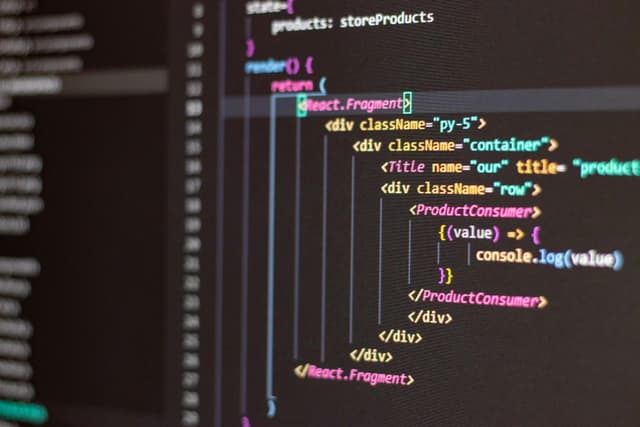
JSX is a syntax extension for JavaScript that allows you to write HTML-like code within your JavaScript files. It makes it easier to describe what the UI should look like and is one of the key features that makes React so powerful.
State and props are two important concepts in React. State is used to manage data within a component, while props are used to pass data between components. Understanding how to use state and props effectively is crucial for building dynamic React applications.
React provides a straightforward way to handle user interactions and events. You can attach event handlers to your JSX elements to respond to user actions like clicks, input changes, and more.
This guide has covered the fundamental concepts of React. With this knowledge, you're well on your way to building your first React application. Remember, practice is key to mastering React, so don't hesitate to start coding and experimenting with these concepts.
Alice is a senior frontend developer with 8 years of experience. She specializes in React and loves sharing her knowledge with the community.